All the flour that’s fit to sift
Flour. It’s in our name. It’s in our veins. It’s in virtually every type of baked good, pizza, pasta, pastry, and biscuit you have ever had and ever will have.
Bottom line: flour is king.
We think it deserves more respect than it gets, which is why we have explored every facet of flour for you.
We guarantee you will learn something you didn’t know!
Everything Flour
Is there anything better than the sight, smell, and feel of a kitchen where baking is being done? We don’t think so.
Baking instantly evokes pleasant feelings of comfort, family, friends, fun, celebration, and contentment. Think we’re exaggerating? Grab a friend or family member and hit the kitchen to whip up some muffins of cookies. We guarantee a good time!
Daisy Flour explores everything baking. Join us!
Baking Basics
What To Bake
Our Latest Articles
00 Flour: Cool Name, Awesome Flour
23 Baking Essentials for Your Kitchen
5 Most Popular Swedish Bread Types
Sweden and other Scandinavian and Nordic countries have a notable bread culture. The bread culture…
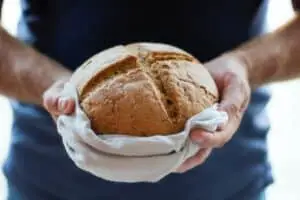
6 Best Ways to Reheat Bread
Warm bread has better taste, texture, and flavor than cold bread. If you have some…
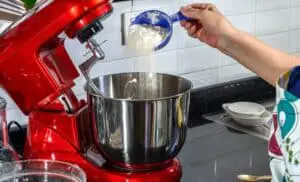
7 Best Stand Mixers for Bread Dough (All Budgets)
There is a wide range of mixers, but only a few are suitable for kneading…